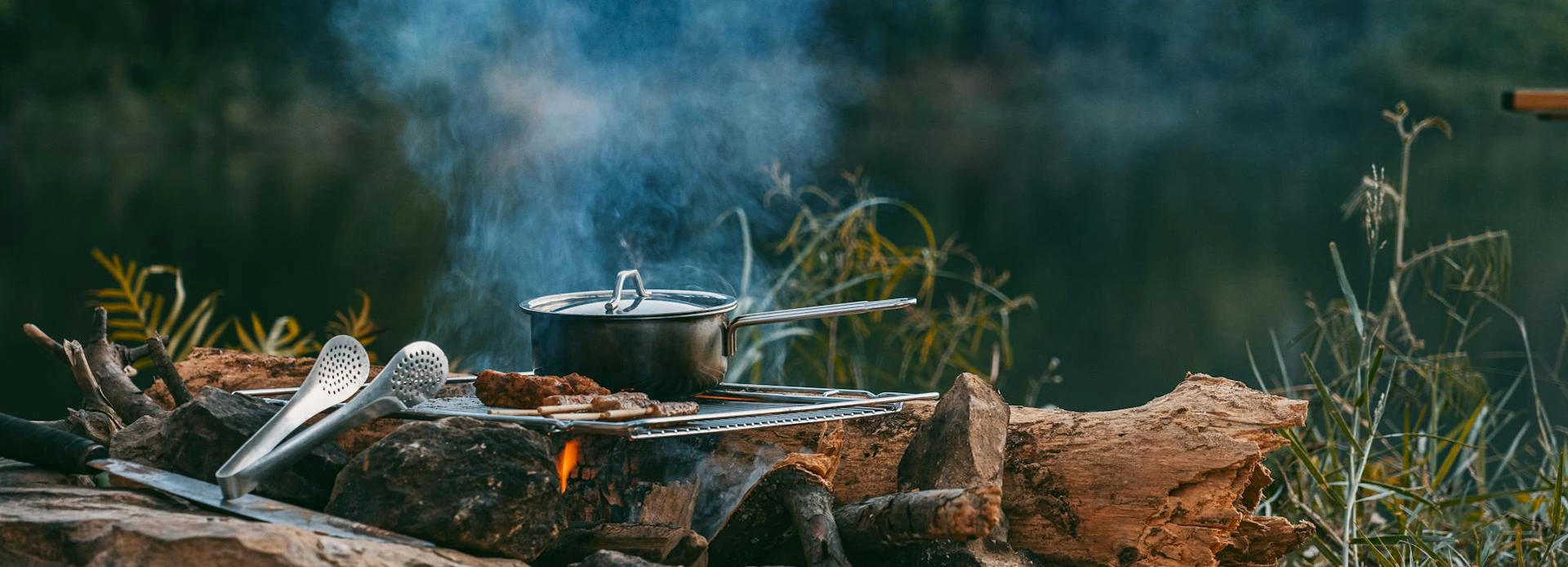
Camp cooking often looks like a question of one item: bring a stove, put a pan on it, and make food. In practice, the weak point is rarely the recipe. It is usually the missing system around the meal: no clean prep space, water in the wrong place, no cleanup plan, a cooler opened every few minutes, and a kitchen area slowly turning into a wet, greasy knot beside the tent.
I do not look at camp cooking as one stove or one cookware set. A useful camp kitchen is a system: heat source, cookware, prep space, food storage, water, cleanup, and trash control. If one of those parts is ignored, even a simple dinner creates more work than it should.
This guide covers the beginner version of that system: when a stove is better, when fire or charcoal grilling makes sense, what cookware to bring first, how to manage food storage, how to avoid cleanup problems, and which camp kitchen items actually support the workflow instead of just filling a bin.
Quick Answer
A beginner camp cooking setup should include a safe cooking method, simple cookware, a stable prep area, proper food storage, enough water, and a clear cleanup routine. For most beginners, a propane stove is easier and more predictable than open-fire cooking. Fire or charcoal grilling should be used only where it is legal, safe, and controlled.
What Camp Cooking Actually Includes
Camp cooking is not only about what you cook on. A stove or grill is just the heat source. Around it, you need food, utensils, water, trash control, cleanup tools, and a layout that does not interfere with the sleeping area, walking paths, or gear storage.
Beginners often underestimate two parts: water and cleanup. Water is not only for drinking. It is also for cooking, hand washing, rinsing cookware, cleaning utensils, and basic hygiene. Cleanup does not begin after dinner. It begins before cooking, when you already know where food scraps, grease, greywater, and dirty dishes will go.
| Camp Kitchen Part | Role | Beginner Risk | Practical Check |
|---|---|---|---|
| Cooking method | Stove, compact stove, fire, or grill | Using fire where a stove would be safer | Match the method to rules, weather, and meal size |
| Cookware | Pot, pan, utensils, plates | Bringing too much or the wrong pieces | Bring only what each meal needs |
| Food storage | Cooler, dry food box, sealed bags | Poor temperature control and food clutter | Separate perishables, dry food, and raw ingredients |
| Water | Cooking, drinking, cleanup, hygiene | Underestimating cleanup water | Plan water for the whole kitchen, not just drinking |
| Cleanup | Sink, scraper, towel, trash bag | Leaving grease and food residue around camp | Set the cleanup area before cooking starts |
Stove vs Fire: Which Should Beginners Use?
For most beginners, a stove is the better first cooking method. It is more stable, more predictable, and easier to control. A two-burner propane stove is especially useful for car camping because it can handle normal cookware, heat water while food cooks, and make group meals less awkward.
A compact canister stove is a different tool. It is small, light, and efficient for solo camping, overnight trips, and meals where the main job is boiling water. It is not as comfortable for large pans, long simmering, or feeding several people.
Fire cooking or a portable charcoal grill can make sense where fire use is legal and safe. But I would not romanticize it. Fire depends on rules, fuel, wind, heat-safe ground, cleanup, and full extinguishing. If the meal needs to be fast, clean, and controlled, a stove usually wins.
| Method | Best For | Strength | Limitation |
|---|---|---|---|
| Propane camp stove | Car camping, group meals, real cooking | Stable, controllable, beginner-friendly | Bulkier and needs propane and table space |
| Canister backpacking stove | Solo trips, compact meals, boiling water | Small, light, fast | Less stable with larger cookware |
| Fire cooking | Fire rings, simple grilling, allowed campfires | Strong heat and flexible cooking style | Legal, weather, safety, and cleanup dependent |
| Portable charcoal grill | Controlled grill-style cooking | More structured than open ground fire | Needs charcoal, heat-safe ground, and full extinguishing |
If you want to understand the fire side more deeply, treat it as a separate skill. The basics of bushcraft fire starting matter before relying on flame or coals for cooking.
Beginner Camp Kitchen Layout
The camp kitchen should not sit directly in front of the tent door. That feels convenient at first, but then the entrance collects a stove, food bags, dirty dishes, water bottles, towels, trash, and people trying to step through all of it.
A better layout uses zones: heat, prep, food storage, water, cleanup, and trash. Each zone can be simple, but it should exist. This keeps the cooking process from spreading across the whole camp.
| Zone | What Goes There | What to Avoid | Why It Matters |
|---|---|---|---|
| Heat zone | Stove, grill, hot cookware | Tent fabric, loose gear, crowded paths | Heat needs space and stability |
| Prep zone | Cutting board, ingredients, utensils | Dirty dishes mixed with clean food | Cleaner prep reduces mistakes and mess |
| Food storage | Cooler, dry food box, sealed bags | Open food around sleeping areas | Food should stay contained and organized |
| Water station | Drinking water, wash water, hand rinse | Spills under the tent or main path | Water supports cooking and cleanup |
| Cleanup zone | Sink, scraper, sponge, towel, trash | Waiting until everything is dark and greasy | Cleanup starts before cooking |
This is part of the wider logic of setting up a campsite, but here the focus is the cooking workflow: where food, heat, water, and dirty dishes go.
Cookware: What You Actually Need First
A beginner camp kitchen does not need a full home kitchen in a storage bin. It needs enough to boil, fry, stir, serve, and clean. The more random pieces you bring, the longer it takes to find things and the more you have to wash later.
The basic logic is simple: one pot, one pan, a lid if available, a spoon or spatula, a knife, a small cutting board, plates or bowls, mugs, a scraper or sponge, and a towel. For solo overnights, reduce that list. For group car camping, a complete nesting cook set can be cleaner than assembling pieces one by one.
| Item | Needed? | Why | Beginner Note |
|---|---|---|---|
| Pot | Yes | Boiling water, pasta, rice, soup, oats | Choose size by group, not by wishful thinking |
| Pan or skillet | Often | Eggs, vegetables, meat, tortillas | Needs a stable stove or grill surface |
| Lid | Strongly useful | Faster cooking and lower fuel use | Especially helpful in wind or cool weather |
| Cutting board | Useful | Cleaner and safer food prep | Keeps food off dirty tables and coolers |
| Scraper or sponge | Yes | Faster cleanup with less water | Scrape before washing |
| Full cookware set | Optional | Organized group cooking | Too bulky for many solo trips |
Food Storage and Cooler Basics
Food storage is part of the cooking system. If the food is disorganized, cooking slows down, the cooler stays open too long, raw food mixes with ready-to-eat food, and cleanup becomes harder.
For short car camping, I separate food storage into two parts. The cooler holds perishables: meat, dairy, eggs, some vegetables, and drinks. A dry food box holds pasta, rice, oats, tortillas, spices, coffee, snacks, and packaged meals.
The cooler should be opened briefly and intentionally. Know what is inside before digging through it. Keep raw meat sealed and separate. If people keep opening the cooler only for drinks, consider separating drinks from critical food.
- Separate raw food from ready-to-eat food. Do not let raw meat packaging leak into other ingredients.
- Pack food so it does not float in melted ice. Use sealed bags or containers when needed.
- Open the cooler with a purpose. Long open time reduces cold retention.
- Plan meals by order. First-night food should be easier to reach than later food.
- Do not leave food loose around camp. Local wildlife rules and campground rules still matter.
Cleanup: The Part Beginners Underplan
Cleanup is the weak point in many beginner camp kitchens. People plan the stove, cookware, and food, but not the greasy pan, sticky utensils, dirty water, food bits, and trash that follow.
I plan cleanup before cooking. That means knowing where dirty dishes will sit, where food residue will be scraped, where washing and rinsing happen, where items dry, where trash goes, and how greywater will be handled.
| Step | Action | Why It Helps | Common Problem |
|---|---|---|---|
| Scrape | Remove food bits into trash first | Keeps wash water cleaner | Putting chunks of food into dishwater |
| Wipe | Remove grease before washing | Reduces soap and water use | Trying to wash greasy pans cold |
| Wash | Use minimal soap and controlled water | Prevents messy greywater | Using too much soap |
| Rinse | Rinse away from natural water | Protects streams, lakes, and soil | Washing directly in natural water |
| Dry | Dry before packing | Reduces odor and storage mess | Packing wet cookware into closed bins |
Do not wash dishes directly in a lake, river, or stream. Food residue, soap, and grease do not belong in natural water. Even biodegradable soap does not mean it can be used anywhere without thought.
Simple Beginner Meals That Teach the System
This is not a recipe guide, but meal choice matters. The first camp meals should teach the workflow: boil, simmer, pan cook, clean quickly, store food properly, and avoid unnecessary mess.
| Meal Type | Best Cooking Method | Why It Works | Cleanup Level |
|---|---|---|---|
| Oatmeal | Canister stove or propane stove | Fast, predictable, good breakfast practice | Low |
| One-pot pasta | Propane stove | Teaches boiling, stirring, draining, and cleanup | Medium |
| Eggs and tortillas | Pan and stove | Simple breakfast with real heat control | Medium |
| Soup | Pot and stove | Easy heat management and low prep | Low to medium |
| Rice with pouch protein | Compact stove or propane stove | Simple meal with limited cookware | Low |
| Grill food | Portable grill or allowed fire setup | Works when fire rules and site conditions allow it | Medium to high |
Product Examples Worth Considering
The items below fit different roles in a beginner camp kitchen: main stove, compact stove, cookware system, grill option, food storage, and cleanup station. I would not treat them as a single mandatory kit. They show how the kitchen system can be built around specific camp styles.
Coleman Triton 2-Burner Propane Camping Stove
The Coleman Triton 2-Burner Propane Camping Stove is a strong example of a main beginner stove for car camping. Two burners create a better cooking flow: one side can heat water while the other handles food, or one pan can cook while a pot simmers.
This is not a backpacking stove, and it should not be judged like one. Its strength is stability, control, and real cookware space. For group cooking or car camping, that is usually more useful than trying to make a tiny stove do too much.

| Brand | Coleman |
|---|---|
| Model | Triton 2-Burner Propane Camping Stove |
| Best For | Beginner car camping, group meals, and controlled stove cooking |
| Key Strength | Two adjustable burners and enough space for real cookware |
| Main Limitation | Bulkier than compact backpacking stoves and needs propane |
MSR PocketRocket 2 Mini Stove Kit
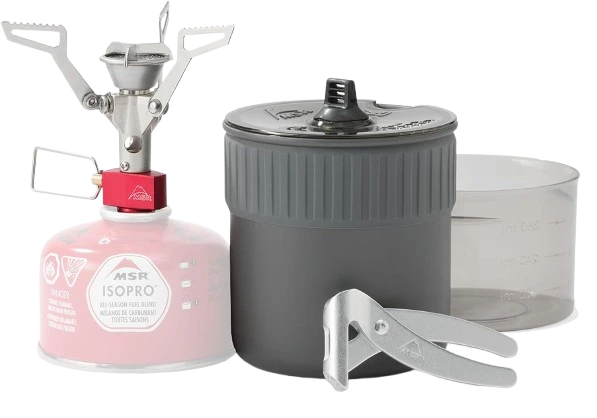
The MSR PocketRocket 2 Mini Stove Kit is a compact cooking setup for solo camping, overnights, and simple meals. It is best understood as a boil-water and small-meal system, not as a full group kitchen.
For beginners, the important distinction is stability. A compact stove is efficient and light, but it is less comfortable with large pans, heavy pots, or meals that need a lot of stirring. It works well when the cooking plan is simple.
| Brand | MSR |
|---|---|
| Model | PocketRocket 2 Mini Stove Kit |
| Best For | Solo camping, compact overnights, boiling water, and simple meals |
| Key Strength | Small, light, fast boil setup |
| Main Limitation | Less stable with larger pans and less comfortable for group cooking |
Stanley Wildfare Core 26-Piece Complete Camp Kitchen Cook Set
The Stanley Wildfare Core 26-Piece Complete Camp Kitchen Cook Set fits the organized group-cooking role. It is not a minimalist solo kit. Its value is keeping pot, pan, tableware, utensils, and basic kitchen pieces together in one camp-ready system.
For car camping, family meals, or a beginner group, that organization can reduce forgotten items. The trade-off is bulk. If only one or two pieces will be used, a full set is more than needed.

| Brand | Stanley |
|---|---|
| Model | Wildfare Core 26-Piece Complete Camp Kitchen Cook Set |
| Best For | Group car camping and beginners who want one organized cookware system |
| Key Strength | Complete multi-person cookware and tableware setup |
| Main Limitation | Overbuilt for solo trips and compact camping |
CAMPINGMOON Stainless Foldable Portable Charcoal Grill
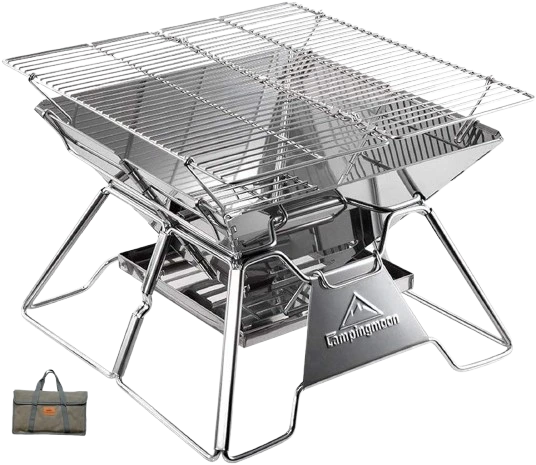
The CAMPINGMOON Stainless Foldable Portable Charcoal Grill is a controlled fire-style cooking option. It is not a replacement for a propane stove. It is better understood as a portable charcoal grill for sites where charcoal use is legal, safe, and practical.
Charcoal grilling adds more variables: heat-safe ground, ash, wind, fuel, and full extinguishing. It can be useful, but I would not make it the first cooking method for every beginner. A stove is usually cleaner and easier to control.
| Brand | CAMPINGMOON |
|---|---|
| Model | Stainless Foldable Portable Charcoal Grill |
| Best For | Controlled charcoal grilling where fire use is allowed |
| Key Strength | More structured than cooking directly over an open ground fire |
| Main Limitation | Depends on fire rules, charcoal, wind, heat-safe ground, and full extinguishing |
Igloo BMX 25 Quart Cooler
The Igloo BMX 25 Quart Cooler is a compact hard cooler example for short car-camping trips. In a beginner kitchen, its role is not only keeping drinks cold. It helps keep perishables contained, separated, and away from the rest of camp.
This size is not a large family cooler for long hot-weather trips. For shorter trips, eggs, meat, dairy, drinks, and some prepared food can be easier to manage in a hard cooler than in loose bags around camp.
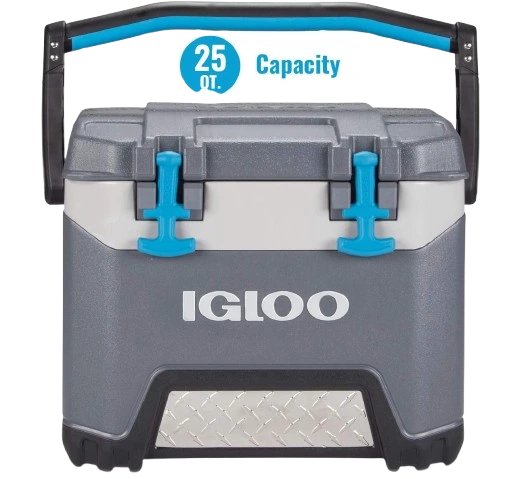
| Brand | Igloo |
|---|---|
| Model | BMX 25 Quart Cooler |
| Best For | Short car camping, perishables, drinks, and basic food separation |
| Key Strength | Compact hard cooler format with enough space for beginner meals |
| Main Limitation | Not enough for large groups or long hot-weather trips by itself |
Sea to Summit Kitchen Sink 10L
The Sea to Summit Kitchen Sink 10L fits the cleanup station role. It does not cook food or store ingredients, but it can make the kitchen cleaner by keeping dirty dishes in one defined place instead of spread across the table, grass, and tent entrance.
A collapsible sink is useful because it creates structure. It does not solve greywater disposal by itself. Food bits, grease, soap, and dirty water still need to be handled properly according to local rules.

| Brand | Sea to Summit |
|---|---|
| Model | Kitchen Sink 10L |
| Best For | Camp dishwashing, cleanup station, water handling, and controlled dirty dish area |
| Key Strength | Creates a defined cleanup area without carrying a hard basin |
| Main Limitation | Still needs proper greywater handling and food-scrap control |
Common Camp Cooking Mistakes
Most camp kitchen mistakes are not complicated. They come from cooking before the system is ready: no cleanup zone, wrong stove for the meal, poorly managed cooler, too much cookware, or food residue left around camp.
- Starting to cook before organizing cleanup. Dirty spoons, greasy pans, packaging, and leftovers need somewhere to go before the meal starts.
- Using a tiny backpacking stove for group meals. Compact stoves are good for solo cooking, but awkward for large pans and several people.
- Cooking too close to the tent. Tent entrances should not become kitchen counters, grease zones, and shoe piles.
- Bringing too much cookware. Extra pieces add washing, storage problems, and clutter.
- Poor cooler management. Constant opening, poor food separation, and weak ice planning make the cooler less useful.
- Ignoring water needs. Cooking, hand washing, rinsing, and cleanup often use more water than expected.
- Leaving food residue around camp. Food bits and grease create odor, hygiene problems, and wildlife concerns.
Limitations and Trade-Offs
There is no single perfect camp kitchen. The right setup depends on meal style, group size, transport, weather, water access, fire rules, and cleanup expectations.
- Stove vs fire. A stove is predictable; fire and charcoal grilling are conditional.
- Two-burner stove vs compact stove. A two-burner stove is better for car camping; a compact stove is better for small solo kits.
- Full cookware set vs minimal kit. A full set helps groups stay organized, but it is overbuilt for many solo trips.
- Cooler size vs portability. Bigger coolers hold more food and ice, but they are heavier and take more space.
- Simple meals vs interesting meals. Simple meals reduce cleanup and mistakes; more interesting meals need better prep and more equipment.
- Cleanup convenience vs water use. More washing means more greywater, so the disposal plan matters.
Frequently Asked Questions
What do I need for beginner camp cooking?
You need a safe cooking method, simple cookware, water, food storage, utensils, cleanup tools, and a trash system. For car camping, a practical base is a two-burner propane stove, pot, pan, cooler, water station, and collapsible sink or basin.
Is a stove better than cooking over a fire?
For most beginners, yes. A stove is more stable, easier to control, and less dependent on firewood, weather, and fire rules. Fire or charcoal grilling should be used only where it is legal, safe, and easy to extinguish fully.
What cookware should I bring camping?
Start with a pot, pan, lid, spoon or spatula, knife, cutting board, plates or bowls, mug, scraper, sponge, and towel. For groups, an organized cookware set can help. For solo trips, keep the kit smaller.
How do I store food safely while camping?
Keep perishables in a cooler and dry food in a separate box or sealed bags. Separate raw meat from ready-to-eat food, open the cooler briefly, and follow local rules for wildlife and food storage.
How do I clean dishes at camp?
Scrape food bits into trash first, wipe grease, wash with minimal soap, rinse away from natural water, dry cookware before packing, and handle greywater according to local rules. Do not wash dishes directly in lakes, rivers, or streams.
Can I cook near my tent?
It is better not to. The cooking area should be separate from the tent entrance. Hot cookware, grease, food smells, trash, and cleanup should not mix with the sleeping area or block access to the tent.
Conclusion
Beginner camp cooking works best as a simple system. Choose the cooking method first, then match the cookware, food storage, water station, cleanup workflow, and meals to that method.
For car camping, I would start with a propane stove, simple cookware, a cooler, and a defined cleanup area. For solo overnights, a compact stove and minimal kit make more sense. Fire or charcoal grilling can be added when the site, rules, weather, and extinguishing plan support it.
The best beginner camp kitchen is not the one with the most gear. It is the one where the stove is stable, food is stored cleanly, water is available, cleanup is not postponed into post-dinner chaos, and the cooking zone does not interfere with the sleeping area or normal movement through camp.